

As a business grows, it naturally becomes more complex. What starts as one service, one product or one clear customer can develop into multiple services, products, locations, audiences and revenue streams. New offers are introduced because customers ask for them. New opportunities appear. The business evolves. Growth itself is not the problem. In fact, some of the most successful businesses have a huge amount to offer. The challenge is making that complexity easy for the customer to understand. As a business owner, you know how everything connects. You understand why each service exists, who it is for and how the different parts of the business work together. Your customer does not have that context. They have arrived looking for something specific. Their first question is usually simple: “Is this right for me?” That is where clarity becomes important. More choice does not have to mean more confusion A business can offer a huge range of products and services without feeling complicated. The difference is how that choice is organised. Think about a large department store. It might sell thousands of products, but everything is not placed in one room. There are departments, categories, signs and clear routes. The choice is still there. It has simply been organised. Your website should work in much the same way. Different customers should be able to quickly find the part of your business that is relevant to them, without having to understand everything else you offer. The role of cognitive load This is where cognitive load comes in. Cognitive load is the amount of mental effort someone needs to understand information and make a decision. Too many competing messages, unclear navigation, unfamiliar language or multiple calls to action can increase that effort. The customer then has to work harder to figure out what to do next. That does not mean you need fewer offers. It means you need clearer pathways between them. A customer looking for a weekend stay should be able to find the accommodation journey. Someone interested in a private event should be able to find the events information. Someone ready to buy a product should be able to understand the product and move towards purchase. The rest of your business can still be there. It simply does not need to compete for attention at the same time. Clarity supports growth This becomes particularly important as you introduce more into your business. A new product, service or location should create another opportunity to generate revenue, not another reason for customers to become confused. Good customer journeys allow you to grow without constantly adding more information to your homepage or expecting customers to work everything out themselves. The focus should be on understanding why people come to you, what they need to know and what could stop them from buying or booking. Once you understand that, you can build clearer journeys around those decisions. You do not have to make your business smaller to make it easier to understand. You need to make the experience clearer. Because the bigger your business becomes, the more there is for a customer to navigate. And when that complexity is organised properly, growth becomes much easier for the right customer to understand, navigate and buy from.

For years, marketing ran on one assumption: the more polished a brand looked, the more people trusted it. Sharper photography, slicker copy, an expensive looking website, all treated as proof of credibility. That assumption is breaking down. Social proof, real reviews, real testimonials, real people saying something worked, now does more of the persuading than branding ever did. Not because polish stopped mattering. Because it stopped being rare. Everyone has access to good design now. What's scarce is evidence. Why proof wins A polished brand tells someone what it wants them to believe. Proof tells them what actually happened to someone else. That carries far less risk of being wrong. Every purchase involves uncertainty: will this work, is it worth it, will I regret it. Proof answers that question before the buyer finishes reading the page. A scroll of genuine five star reviews can outperform an expensive hero video, because one asks for trust and the other hands it over. Less uncertainty means faster decisions. AI content is starting to sound identical At the same time, a huge share of brand content now looks, sounds, and feels the same. Same rhythm, same phrasing, same hollow warmth. The fingerprint of content generated at scale with no human hand actually shaping it. The tools aren't the problem. Used well, they're genuinely useful. The problem is letting the tool do the thinking instead of the writing. The result has no point of view, nothing a competitor couldn't produce with the same prompt. Customers notice, even when they can't say why. Generic content doesn't just fail to build trust, it erodes it, because it signals nobody with real judgement was actually involved. Use AI. Don't let it use you. The moment a brand stops sounding like a person, it becomes interchangeable with everyone else doing the same thing. Personality is the differentiator In a market flooded with near identical, AI assisted content, personality is one of the only scarce resources left. Not personality as gimmick, personality as evidence of a real person with real judgement and a real relationship with their customers. I run a marketing business, and I'll say this plainly: skip this and you lose customers long term. Not dramatically, steadily. A customer who feels genuinely connected stays. A customer who felt like they met a slightly off version of everyone else's marketing has no reason to come back, because none of it was actually theirs to remember. Why any of this exists in the first place It's worth stepping back to the actual point of a business. Not the branding, not the funnel, not the content calendar. A business exists because it makes someone's life better in some way, a product that solves something, a service that saves time, an experience that means something. That's the whole deal. Everything else is just how you get someone to notice. Heart is what sells, because heart is what proves you actually care whether that person's life gets better or not. It doesn't matter how skilled you are. You could be the most accomplished person at the very top of your industry, decades of expertise, a reputation nobody can touch, and it still won't save you if you start acting like AI. If the warmth goes, the reason someone chose you goes with it. People can feel the difference between a business that wants to help them and a business that's just optimising for conversion. One earns loyalty. The other earns a single transaction. Lose your heart and you don't just lose the business. You lose the actual point of having built it. The takeaway The businesses winning right now aren't the ones with the most expensive branding. They're stacking real proof, genuine reviews, honest testimonials, on top of content that still sounds like a person wrote it. Trust comes from evidence and connection, not finish. Get both right, and polish becomes the finishing touch it was always meant to be, not the whole pitch.

Why do luxury clients book months ahead? REGO Creative on premium marketing timing, seasonal campaigns, and converting high-net-worth buyers.
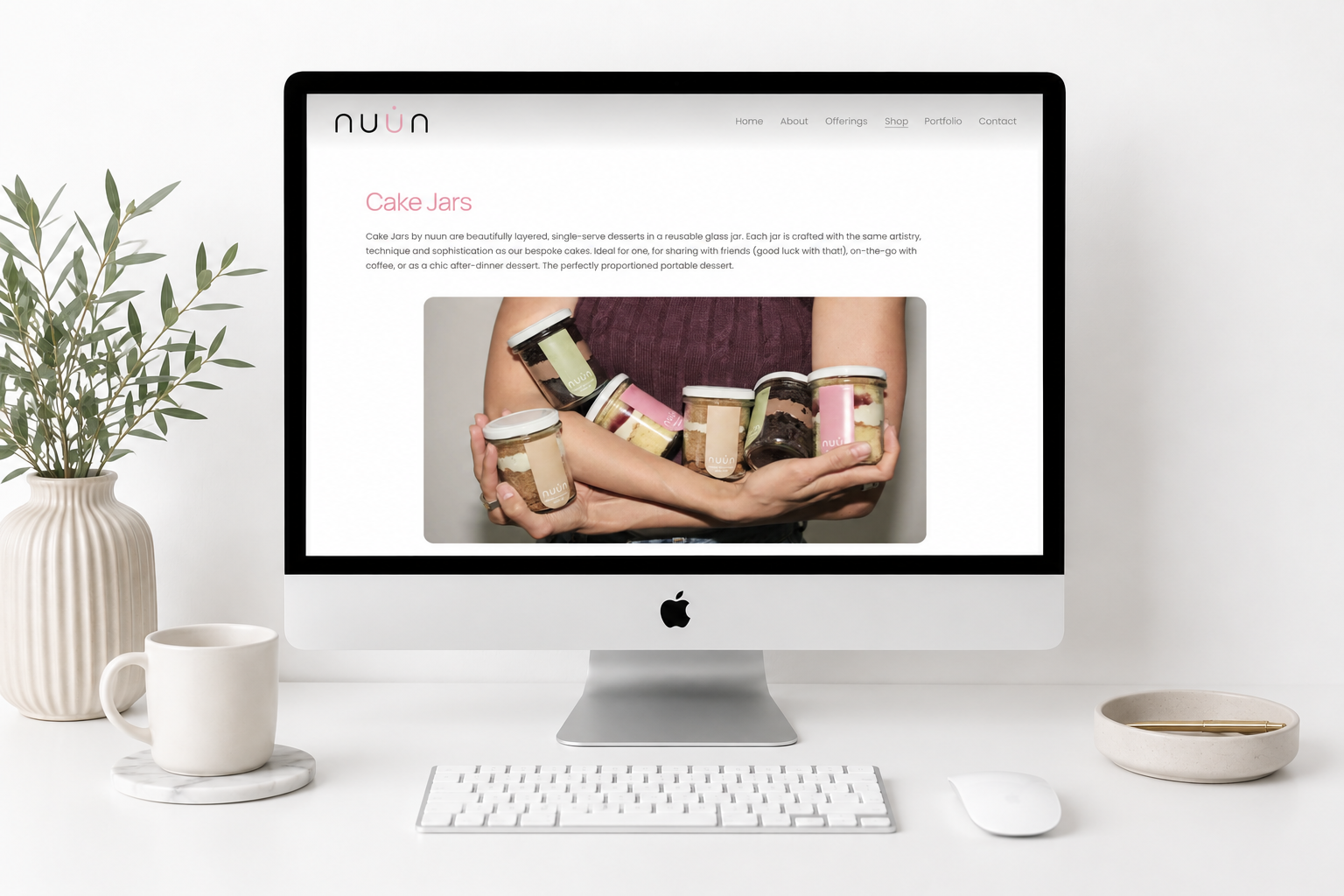
Understand the difference between landing pages and websites with REGO Creative.
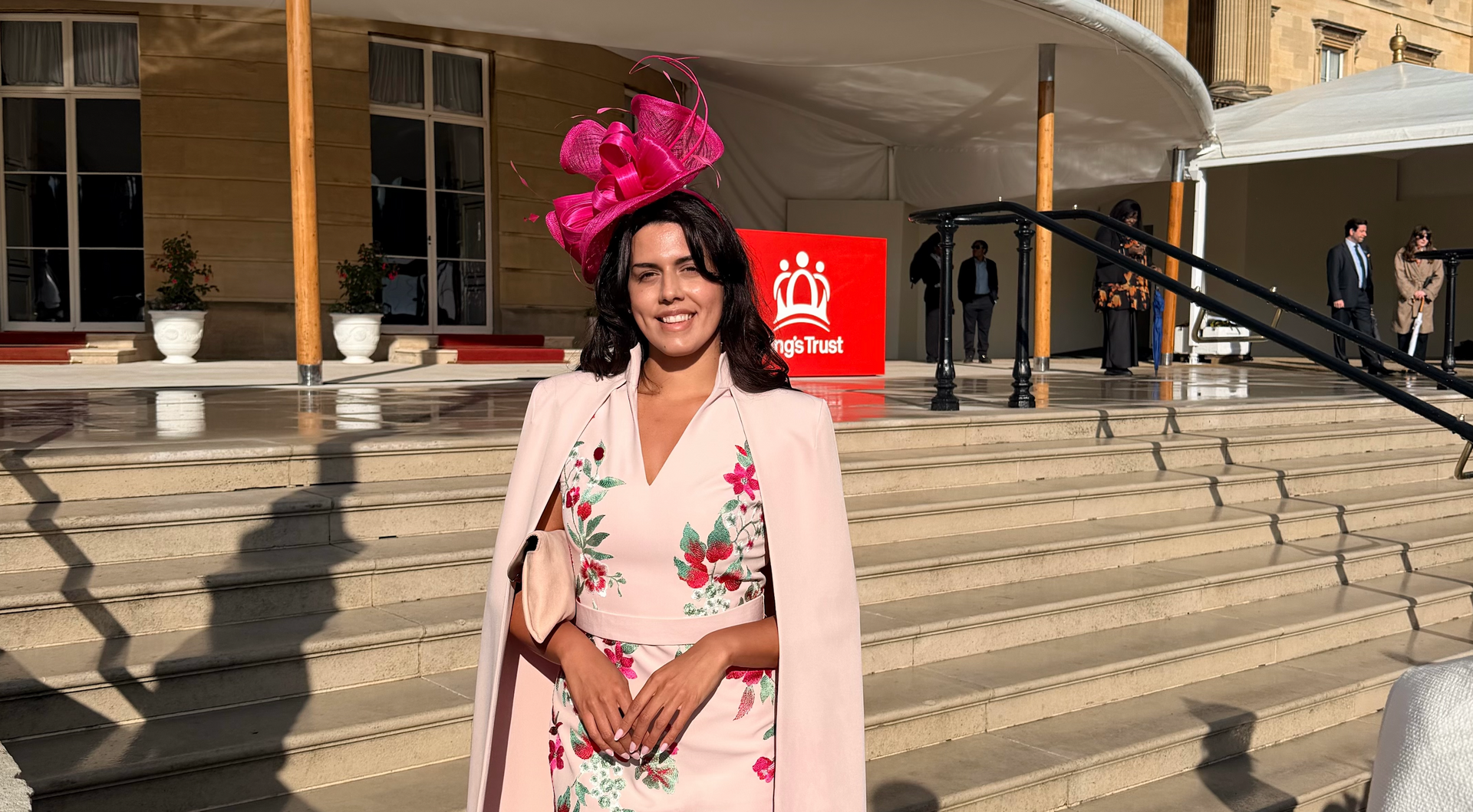
Emma Rego, King's Trust Young Ambassador, reflects on attending the King's Trust 50th anniversary Royal Garden Party at Buckingham Palace in May 2026.
